

Your website is getting clicks. People are engaging with your ads, opening emails, maybe even downloading content. You’re getting the clicks and engagement, but it’s not translating into conversions, closed deals, and money in the bank. Your pipeline is quiet. Too quiet, and you don’t understand why.
This disconnect is more common than you’d think, especially for growing organisations that are investing in visibility but haven’t yet aligned their internal systems for scalability. We’ve seen it time and again: businesses that are excellent at creating interest but struggle to convert that interest into actual clients.
Truth is, it’s rarely a marketing problem. It’s a funnel problem; a misalignment between how leads enter your world and how (or if) they’re guided through it.
In this article, we’ll unpack the most common reasons your leads may be stalling or dropping off entirely, and why marketing automation, powered by the right CRM systems, can mean the difference between a curious visitor and a committed customer.
It’s not just about traffic; it’s about trust, timing, and the tools that help you turn both into action.
What’s Going Wrong in Your Funnel?
It’s a frustrating reality for many businesses: you’re getting traffic, maybe even a few form fills or downloads, but nothing seems to move. Leads go cold. Sales doesn’t follow up, or worse, no one knows who’s responsible for following up at all.
If your marketing is bringing people in, but they aren’t converting, the problem often lies somewhere between interest and action – the middle child of your funnel, where sales and marketing often struggle to communicate. And this is where manual, outdated systems fall short.
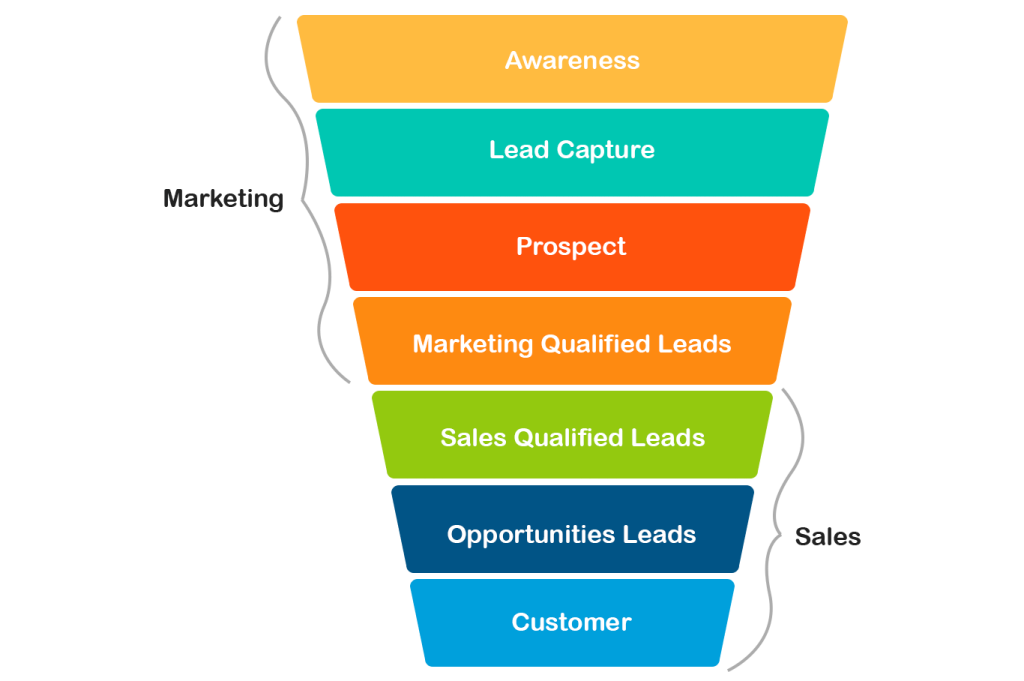
Here are the most common breakdowns we see:
There’s no follow-up system, or it’s too slow.
Most leads go cold within hours, not days. Without a structured response mechanism, your team is chasing yesterday’s interest while today’s opportunities slip away. If follow-ups rely on manual reminders or inbox hunting, your funnel is leaking.
Everyone gets the same message.
Not all leads are created equal. A first-time website visitor shouldn’t receive the same messaging as someone who downloaded a whitepaper and attended a webinar. Without segmentation, your communication lacks relevance, and relevance drives action.
You’re relying on people, not processes.
When your funnel depends on one person remembering to follow up or assigning leads manually, it becomes inconsistent and unsustainable. As volume grows, so does the risk of leads falling through the cracks.
Leads don’t know what to do next.
Even when people are interested, they often need to be nudged. Without a clear call-to-action or follow-up journey, they lose momentum. A good funnel guides them forward, step by step.
The big one: your marketing and sales teams aren’t aligned.
One of the most common issues in a failing funnel? Internal miscommunication. Marketing captures leads, then sales doesn’t follow up because they weren’t informed, or they don’t trust the lead quality. Automation helps bridge that gap with transparency and accountability.
If your funnel feels like it’s working at the top but breaking further down, these issues are likely at play. But the good news is, each of them can be solved with smart strategy, better processes, and the right automation tools in place.
The Hidden Cost of Not Automating
For many businesses, the idea of automation feels like a “nice-to-have”. It’s always a “future investment, once revenue allows.” But in reality, not automating is already costing you more than you realise.
When your funnel is run manually, it’s not just inefficient; it’s leaky, inconsistent, and unscalable. And the longer it stays that way, the more opportunities are lost.
Here’s what that looks like in practice:
- Delayed responses = missed conversions;
- Time wasted on cold or unqualified leads;
- No consistent follow-up process;
- Friction between marketing and sales;
- Zero visibility means zero improvement;
- Fragmented customer journeys; and
- Mental overhead for your team.
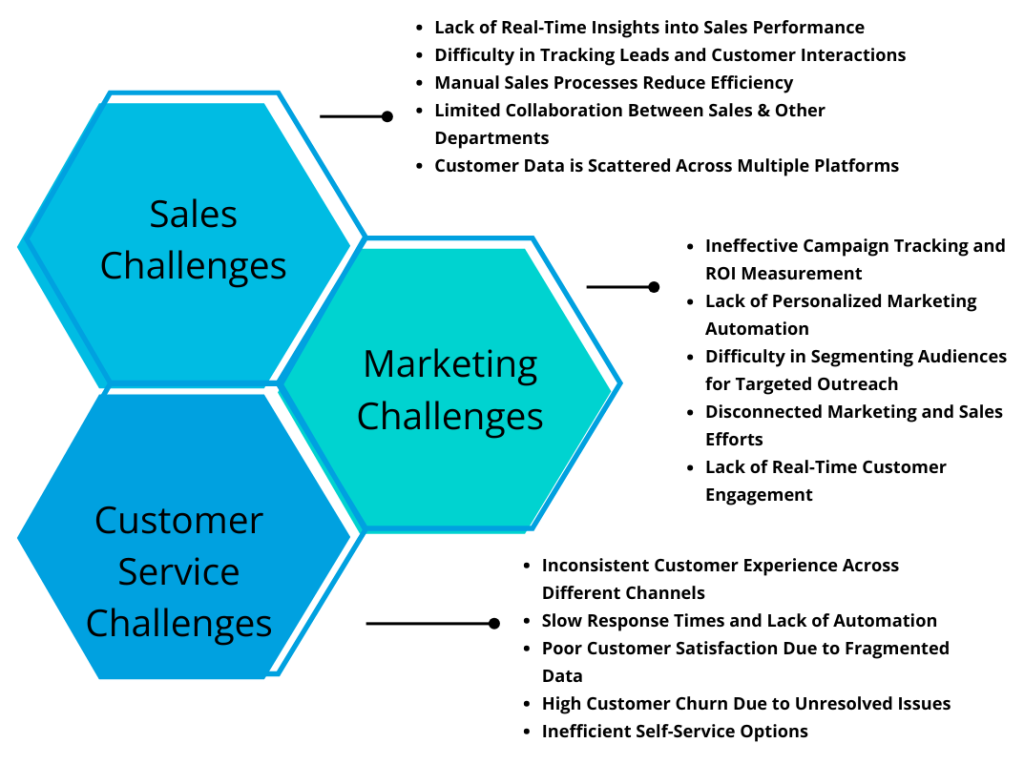
Response time is everything. According to a Harvard Business Review study, businesses are 7x more likely to qualify a lead if they respond within an hour, yet most don’t respond at all. Without automation, follow-up is either late, forgotten, or handled manually – when someone finally has the time.
Similarly, without automated lead scoring or segmentation, your team may be investing time and energy into contacts who were never likely to convert. It’s frustrating for sales, demotivating for marketing, and inefficient for everyone involved.
Manual follow-ups are another big bottleneck, because they rely on human memory and discipline. It’s one of the easiest steps to forget, especially if your system depends on calendar reminders or spreadsheet digging.
Beyond the impact on your leads, manual funnels create constant mental clutter for your team. Remembering who to follow up with, when to respond, and where a lead sits in the funnel shouldn’t require extra brainpower. It should be systemised.
Automation ensures leads are consistently nurtured, without relying on memory or guesswork. And without CRM insights or funnel reporting, you can’t improve what you can’t see. Are leads dropping off after the first email? Are your calls-to-action effective? Manual funnels won’t give you the data to answer these questions.
Finally, there’s the breakdown between marketing and sales. Marketing generates leads. Sales closes them. But without a connected system, there’s no visibility into where leads come from, how warm they are, or what’s already been said. The result? Blame, misalignment, and lost revenue.
Here’s the bottom line: If you’re not automating, you’re leaking. And those leaks aren’t just inconvenient, but also invisible, expensive, and compounding every day.
How CRM-Led Automation Bridges the Gap
By now, the message should be clear: manual funnels are slow, inconsistent, and silently draining your growth potential. But fixing that gap doesn’t require throwing out your entire system. It requires smarter support, and that’s where CRM-led automation comes in.
A well-integrated CRM doesn’t just store contact details. It acts as the nerve centre of your funnel, connecting marketing and sales, guiding the customer journey, and ensuring leads are nurtured and followed up on at exactly the right moment.
CRM-led automation can bridge the gap by:
- Making follow-ups faster and consistent: Automated sequences can respond to leads within minutes, whether it’s a welcome email, a content offer, or a callback confirmation.
- Showing your team where to spend their time most productively: With lead scoring and segmentation built into your CRM, your team knows which leads are ready to buy, which need nurturing, and what content or conversation is most relevant at each stage.
- Making your sales funnel data-driven: Every email opened, link clicked, and form submitted feeds into a live timeline of lead activity. This lets you track what’s working, flag drop-off points, and make data-informed decisions.
- Strengthening communication between sales and marketing: Sales sees how leads came in, what content they engaged with, and how warm they are, creating a seamless handoff that eliminates confusion and builds trust between teams.
- Creating a coherent customer journey: When automation is done right, the customer’s experience flows. They feel seen, not spammed. Guided, not pushed. That consistency is what builds confidence in your brand.
CRM-led automation doesn’t remove the human element, but amplifies it. It gives your team more time to do what they do best: build relationships, close deals, and show up for your customers in meaningful ways.
“Automation isn’t about replacing people – it’s about reinforcing your strategy with smarter systems.”
Conversion-Boosting Tactics You Can Start Using Today
If you’re getting clicks but not clients, there’s good news: you don’t need a total overhaul to see better results.
Many of the biggest improvements you can make are quick to implement, low-cost (or free), and can be layered into your existing funnel with minimal disruption. These tactics will help you bridge the gap between interest and action, while setting your team up for scalable success.
Use this section as a checklist – and a place to start.
✅ Audit your funnel to find where leads stall or fall off
Use tools like Google Analytics, Hotjar, or your CRM’s lead activity tracker to identify exactly where users disengage. Are they bouncing at the contact form? Opening emails but not clicking through?
Manually, this takes a bit of legwork, but it’s worth it. Track page views, form starts vs. completions, email opens vs. replies, and drop-off rates between each funnel step. If you have automation set up, map these behaviours to lead scoring or trigger alerts when drop-offs spike, so you can act fast.
✅ Set up basic lead segmentation to personalise messaging
Start by tagging leads based on how they entered your funnel; did they download a guide, click a service page, or submit a general enquiry? Most CRMs allow you to assign tags or properties to each contact – even MailChimp does, if you’re in a pinch. Use these to trigger more relevant follow-ups.
For example, someone who downloaded a guide on “automating your sales process” shouldn’t get a cold pitch, but instead get follow-up content that builds trust around that theme.
✅ Create a simple lead scoring model to prioritise sales focus
Not all leads are equal, and not all of them are ready. Assign point values to different behaviours: +10 for opening an email, +20 for clicking a link, +30 for viewing your pricing page. Most CRMs let you automate this, but if you’re doing it manually, a simple spreadsheet will work in the short term. The goal should be to highlight the information that helps your sales team focus on high-intent leads instead of wasting time chasing every form fill.
✅ Automate your first follow-up (seriously, don’t skip this)
Speed builds trust. Set up an automatic response that thanks the lead, sets expectations, and offers value (like a case study, checklist, or next steps). Even a short, friendly email or WhatsApp message that hits within the first 5-10 minutes can dramatically improve your conversion rate and stop leads from going cold.
✅ Personalise your messaging with intent-based context
Using a lead’s first name is the bare minimum. Go further: reference what they downloaded, clicked, or showed interest in. If your CRM allows it, use dynamic content in emails to adjust the language or offer based on their previous actions. The more relevant your message feels, the more likely they are to engage.
✅ Track your time-to-response and optimise it
Review your average lead response time weekly. If you don’t have automation, look at email timestamps and team workflows to see where delays happen. Once identified, you can either automate the handoff or use internal alerts to get the right person involved faster.
Pro tip: Set up CRM notifications that ping sales when a lead’s behaviour suggests they’re ready to talk (e.g. visiting your contact page twice in a day).
✅ Reposition your CRM investment as an efficiency gain
Still struggling to justify CRM spend internally? Frame it as a time-saving, error-reducing, lead-converting machine rather than just a contact database. Even entry-level CRM platforms can improve follow-up speed, reduce lead confusion, and centralise team knowledge. Remember, it’s not about buying software – it’s about creating systems that scale.
No matter where you are in your marketing journey, small, strategic improvements like these can significantly boost your conversion rate without burning out your team or blowing up your budget.
Turning clicks into clients isn’t about doing more; it’s about doing it smarter.
Don’t Let the Funnel Fail Where It Matters Most
Clicks are only the start of the journey. The real value lies in what happens next: how you follow up, how quickly you respond, how well you guide the experience, and how clearly your teams are aligned.
When that middle ground – the space between interest and action, sales and marketing – is left unmanaged, even the best marketing will underdeliver. But when it’s supported by the right systems, strategy, and automation, it becomes one of the most powerful assets your business has.
You don’t need a massive tech stack.
You don’t need to send more emails.
You need clarity, consistency, and a funnel that’s been deliberately designed to convert.
At Vukawanele, we help organisations connect the dots between marketing and operations, message and delivery, curiosity and conversion so that every part of your funnel works together, from the inside out.
Because in the end, it’s not about generating more leads – it’s about making sure the right ones become real clients.